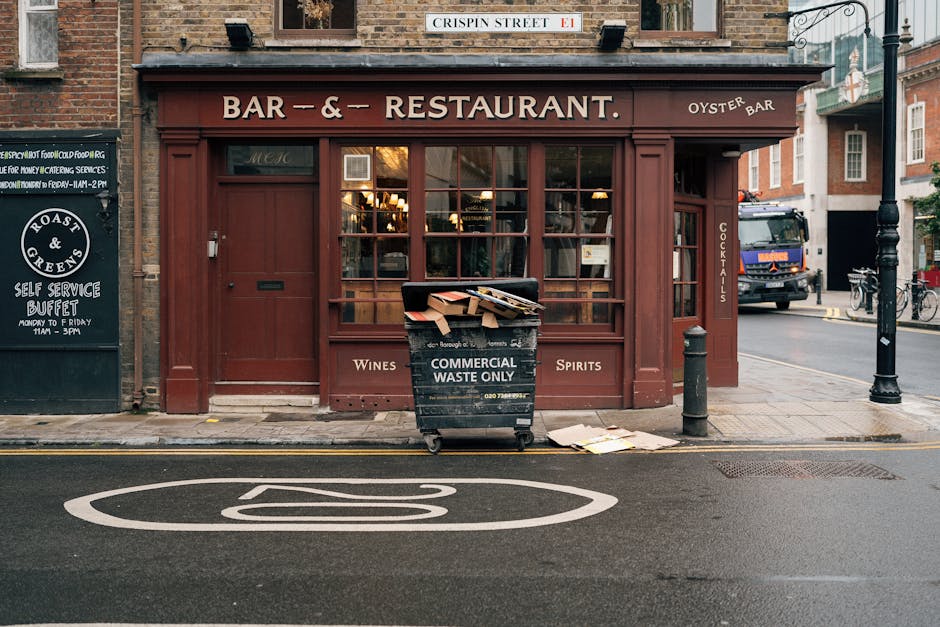
Small business rubbish removal Crystal Palace shops and pubs
Posted on 25/08/2026
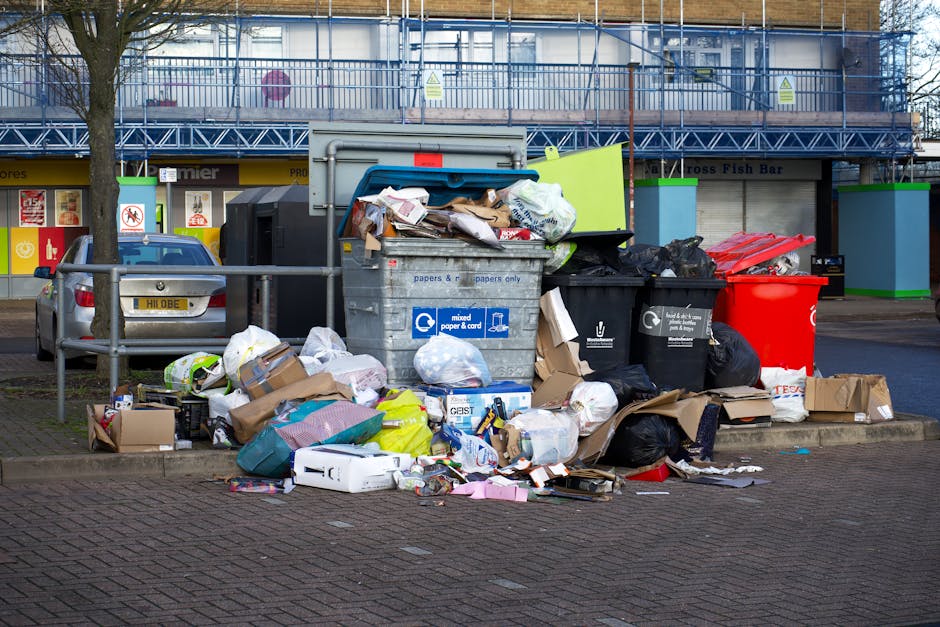
Small business rubbish removal Crystal Palace shops and pubs: a practical guide for busy local businesses
If you run a shop, cafe, bar, or pub in Crystal Palace, rubbish has a way of building up at the worst possible time. One delivery box too many, a burst bin bag after a busy Friday night, a broken shelf in the stock room, a few chairs that have seen better days - and suddenly the back area feels tighter, messier, and harder to work around.
Small business rubbish removal Crystal Palace shops and pubs is really about keeping your premises safe, tidy, and workable without turning waste into a daily headache. In a busy local setting, that matters more than people often realise. It affects staff flow, customer impression, hygiene, and, frankly, your own peace of mind. This guide explains how it works, what to expect, and how to choose a sensible approach that suits a small business rather than a big corporate site.
Why Small business rubbish removal Crystal Palace shops and pubs Matters
For a small business, waste is not just waste. It is operational clutter, a safety issue, a customer-facing issue, and sometimes a compliance issue too. Shops and pubs in Crystal Palace tend to work in compact spaces, with limited storage and little tolerance for overflow. That means even a modest pile of packaging, old furniture, damaged fittings, or mixed rubbish can start causing friction very quickly.
In a shop, rubbish can block fire exits, make stock rooms awkward to move through, and spoil the look of the front-of-house area. In a pub, waste can build up fast after deliveries, refurbishments, seasonal changes, or a weekend rush. Nobody wants to thread past broken glass boxes, redundant stools, and flattened cartons before the first pint has even been poured. It is not exactly the welcome you aim for.
There is also the local context. Crystal Palace businesses often operate in busy streets where access can be tight and timing matters. A collection that arrives late, or one that is not planned around trading hours, can create stress for staff and annoyance for customers. Good rubbish removal helps you stay in control rather than constantly reacting to mess.
For businesses that need broader waste support, it can help to look at a dedicated commercial waste removal service in Crystal Palace alongside one-off clearance options. The right solution depends on whether you need regular collections, an occasional clear-out, or both.
Key takeaway: the best rubbish removal setup for a small shop or pub is usually the one that keeps the back-of-house area clear, respects trading hours, and does not create extra admin for the team.
How Small business rubbish removal Crystal Palace shops and pubs Works
Most small business rubbish removal jobs follow a simple pattern. The details vary a bit, but the logic is the same: identify what needs removing, arrange access, load the waste safely, and deal with it through the correct disposal route. Easy to say. Slightly messier in real life, of course.
A typical job starts with a description of the waste. That could include mixed sacks, cardboard, shop fittings, bar stools, old shelving, broken appliances, packaging, or general junk from a stockroom or cellar. If the waste includes bulky items or anything unusual, it helps to be specific early on. A five-minute explanation can save a lot of awkward lifting later.
On the day, a team will usually arrive within an agreed time window, assess access, and start loading. For pubs, this often means working around customers and staff movement. For shops, it may involve using a rear entrance, side alley, service yard, or kerbside handover if the building layout allows it. A sensible operator will think about stairs, narrow hallways, low ceilings, and the lovely little nuisance called "no lift access".
Once loaded, the waste should be transported by a licensed carrier and taken to the correct facility for sorting, reuse, recycling, or disposal. If something can be reused or recycled safely, that is usually preferable. For businesses that care about reducing landfill where possible, the recycling and sustainability approach is worth understanding before you book.
If you have a mixed clear-out with stock items, furniture, or old fixtures, services such as furniture removal in Crystal Palace or furniture disposal in Crystal Palace may be useful depending on what is being taken away and how much of it there is.
Key Benefits and Practical Advantages
The biggest benefit is obvious: you get your space back. But there is more to it than that. Good rubbish removal can improve day-to-day operations in ways that are surprisingly noticeable after the job is done.
- Better use of space: back rooms, cellars, and stock areas become easier to navigate.
- Safer working conditions: fewer trip hazards, fewer blocked routes, and less chance of staff working around unstable piles.
- Cleaner customer experience: a tidy frontage and entrance area looks more professional.
- Less disruption: if collections are timed well, your team can keep working without constant interruptions.
- Improved compliance confidence: using a proper waste carrier reduces the risk of casual disposal mistakes.
- More efficient refurbishments: old furniture, packaging, and strip-out waste can be removed as the job progresses.
There is also a mental benefit, which sounds soft but is very real. A cluttered stockroom or bin area can make a team feel like they are always catching up. Clear the waste, and the whole premises often feels lighter. You will notice it first thing in the morning, when the shutters go up and the place smells less like cardboard and stale dust and more like a business that is under control.
For businesses that also need occasional general clearance rather than just regular refuse handling, the broader waste clearance service in Crystal Palace may be a better fit than a narrow collection-only arrangement.
Who This Is For and When It Makes Sense
This type of service suits a wide range of small businesses, but it is especially helpful when premises are compact, waste builds up quickly, or staff time is limited. If your team is trying to run the business, serve customers, restock shelves, and also deal with a growing pile of unwanted items, that is usually the point where outside help starts making sense.
Shops often need rubbish removal after:
- seasonal displays are changed
- fittings are updated
- stockrooms are reorganised
- old mannequins, shelving, or display units are replaced
- delivery packaging builds up faster than bins can handle
Pubs and bars often need it after:
- refits or redecorations
- broken furniture is removed
- cellars or storage areas are cleared
- equipment reaches the end of its life
- busy periods create a backlog of cardboard, sacks, and mixed rubbish
It also makes sense when you need a one-off uplift rather than an ongoing contract. Not every small business wants a permanent waste arrangement, and that is fair enough. Sometimes you just need a proper clear-out once or twice a year and then you are fine again.
If your premises include offices above the shop or within the pub, a separate office clearance in Crystal Palace can be worth considering for desks, chairs, filing cabinets, and IT-related clutter.
Step-by-Step Guidance
If you are booking rubbish removal for the first time, the process is much easier when you break it down. Here is the practical version.
- List the waste clearly. Group items into cardboard, mixed rubbish, furniture, electricals, fixtures, and anything that may need special handling.
- Check access. Think about loading doors, stairs, parking, alleyways, narrow corridors, and whether staff need to keep part of the premises open during collection.
- Choose the right timing. Quiet periods, before opening, after closing, or between service windows often work best.
- Separate anything reusable or sensitive. Keep documents, cash-related material, branded items, and stock you still need well away from the collection pile.
- Ask about carrier compliance. Waste should be handled by a legitimate operator, not someone vague with a van and a shrug.
- Confirm what happens to the waste. If recycling or sorting is part of the service, ask how mixed loads are processed.
- Prepare the space. Move obstacles where practical, protect floors if needed, and make sure staff know the timing.
One small tip that saves a lot of hassle: take photos before the job if the pile is large or awkward. It helps everyone agree on what is being removed, especially if there are items tucked behind counters or stacked in the cellar. That tiny bit of prep can make the whole morning smoother.
Expert Tips for Better Results
After enough clearances, a few patterns become obvious. The jobs that go well are almost always the ones where the business has thought about flow, access, and what actually needs taking away. Nothing glamorous. Just sensible.
- Bundle waste by type where possible. Cardboard, timber, general rubbish, and bulky items are easier to assess when they are not all tangled together.
- Keep a small holding area. If you regularly generate waste, a designated corner or container can stop clutter spreading across the premises.
- Don't leave collections until the last minute. A deadline-driven clear-out usually costs more stress, even if the job itself is quick.
- Plan around stock delivery days. Nobody wants the waste team arriving at the same time as a lorry of new stock. That is chaos, pure and simple.
- Tell the team what is going. Staff often know where hidden waste lives: under counters, in the cellar, behind display units, and in that one cupboard everyone avoids.
Another useful point: if you are disposing of old fixtures or damaged furniture, check whether they are still useful to anyone in the business before they go. A piece that looks ready for the skip might still work in storage, staff areas, or an upstairs office. On the flip side, if it is wobbly, stained, or smells a bit damp, let it go. No need to sentimentalise a broken bar stool.
For larger clear-outs with mixed items, many businesses also review the full services overview so they can match the job to the right type of clearance rather than forcing everything into a one-size-fits-all approach.

Common Mistakes to Avoid
A lot of waste problems are avoidable. The mistakes are usually simple, which is why they sneak up on people.
- Mixing everything together without checking. Some items are straightforward, but others may need separate handling.
- Assuming access is "fine". Fine for whom? A person carrying a sofa through a narrow side passage may disagree.
- Leaving waste in customer areas too long. That damages presentation and creates safety concerns.
- Booking too late before a trading peak. If you are refurbishing before a busy weekend, leave margin. Always.
- Using an unverified operator. Cheap can become expensive very quickly if waste is fly-tipped or paperwork is missing.
- Ignoring bulky items. One old fridge, one worn-out table, one dead printer - together they can take up more space than you expect.
One practical mistake we see again and again is underestimating how long sorting takes before a collection. The actual lift may be quick, but deciding what is going, what is staying, and what needs moving first can eat up the best part of an hour. Not a disaster. Just plan for it.
Tools, Resources and Recommendations
You do not need fancy software to manage small business waste, but a few basic tools make life easier. Think of them as simple habits rather than add-ons.
- Labelled bins or sacks: useful for separating cardboard, general waste, and recyclables.
- Basic inventory list: helpful when clearing out stockrooms, cellar storage, or unused furniture.
- Phone photos: a quick way to document the waste pile and share accurate information before collection.
- Simple access notes: include gate codes, loading points, restricted hours, and whether you need quiet arrival.
- Staff checklist: makes sure everyone knows what has been set aside for removal.
It is also worth knowing the difference between collection, removal, disposal, and clearance. Collection often means waste is picked up and taken away. Removal may refer to a specific bulky item. Disposal suggests the final processing route. Clearance usually covers a wider, more mixed job. The wording matters less than the outcome, but it helps when you are comparing quotes or explaining the job clearly.
If your small business involves regular waste streams, you may want to compare a one-off job with local rubbish collection options so you can balance convenience against routine needs. For many premises, the best answer is a bit of both.
Law, Compliance, Standards, or Best Practice
Waste handling in the UK is not something to treat casually. You do not need to become a legal expert to manage a shop or pub, but you do need to take the basics seriously. The main idea is simple: your business remains responsible for its waste until it is passed to an authorised carrier and handled correctly.
That is why it matters who removes your rubbish. A proper operator should be able to explain how waste is collected, transported, and processed. They should also be able to show that they are compliant and insured where appropriate. If that sounds like boring admin, well, yes - but boring admin is what keeps businesses out of trouble.
For some waste types, extra care is wise. Electrical items, contaminated materials, sharp items, and anything with confidential content should be handled with proper judgement. For example, office paper containing customer details should never just be dumped into a general mixed load and forgotten about. A bit of care there saves a lot of regret later.
Businesses often look for reassurance around licensing, insurance, and safety procedures. It is sensible to review waste carrier licence and compliance information and the insurance and safety guidance before booking. Those pages help set the standard for what a responsible service should be able to offer.
Best practice also includes:
- keeping records of what was removed
- avoiding unmanaged dumping in communal spaces
- separating recyclable items where practical
- coordinating with staff so collection does not create a hazard
- checking that any sensitive items are removed securely
Truth be told, most problems come from not asking enough questions at the start. A few clear questions upfront are worth more than a lot of apologetic phone calls later.
Options, Methods, and Comparison Table
There is no single best method for every small business. A shop with occasional packaging build-up has different needs from a pub refurbishing its seating area. Here is a simple comparison to help you choose more intelligently.
| Option | Best for | Strengths | Trade-offs |
|---|---|---|---|
| One-off rubbish removal | Occasional clear-outs, bulky items, seasonal resets | Fast, flexible, useful when waste spikes suddenly | Not ideal for regular ongoing waste generation |
| Regular commercial waste collection | Premises with steady weekly waste output | Predictable, routine, easier for busy teams | May be more than you need for short-term projects |
| Mixed clearance approach | Refits, stockroom clear-outs, changes in layout | Handles different waste types in one visit | Requires clearer planning and item separation |
| Do-it-yourself disposal | Very small, low-risk jobs with easy access | Can feel cheap at first glance | Time-consuming, physically demanding, and easy to get wrong |
For most shops and pubs, a professional option wins because it saves staff time and avoids disruption. DIY sounds simple until you are trying to move a broken cabinet down a cramped stairwell while still serving customers. That is not a fun afternoon.
Case Study or Real-World Example
Imagine a small pub near the Crystal Palace Triangle planning a light refurb before a new menu launch. The owners have a pile of old stools, cracked shelves, a tired back-bar unit, flattened packaging from new stock, and a few electrical bits that no longer work. The cellar is cramped, the rear alley is only usable at certain times, and staff still need to prep for service later the same day.
Instead of trying to chip away at the mess over several weeks, they book a targeted clearance. The key was not brute force. It was planning. They identified what was going, grouped the items, cleared a route through the back corridor, and arranged the uplift for a quieter window before the evening rush. Nothing dramatic. Just sensible timing and clear communication.
The result was immediate. Staff could move freely again, the refurb contractor had better access, and the pub looked ready rather than half-finished. That last point matters more than people admit. Customers can tell when a place feels organised. They can also tell when it does not. A cluttered entrance and a messy stock area have a way of making the whole operation feel slightly behind, even if the drinks are excellent.
For mixed premises, it may also help to coordinate with broader clearance services such as waste disposal in Crystal Palace where the job includes more than simple bin emptying.
Practical Checklist
Use this quick checklist before booking a collection. It keeps the job calm and avoids last-minute surprises.
- List every item or waste type you want removed
- Check whether anything needs special handling
- Measure access points if bulky items are involved
- Decide the best time for collection around trading hours
- Separate items you want to keep
- Make sure staff know what has been agreed
- Confirm the operator is compliant and insured where relevant
- Ask what happens to recyclable items
- Clear the route from storage area to exit
- Keep a record of what has been removed
If you are dealing with older fixtures, broken stockroom furniture, or heavy fittings, it can also be useful to review builders waste disposal in Crystal Palace as a comparison point, especially during strip-outs and refurb work.
Get a free quote today and see how much you can save.
Conclusion
Small business rubbish removal Crystal Palace shops and pubs is about more than getting rid of unwanted stuff. It is about keeping the space safe, the team working smoothly, and the customer experience clean and professional. When done well, it removes friction from the day rather than adding to it.
Whether you need a one-off clearance after a refit, help with bulky furniture, or a smarter approach to regular waste, the best results usually come from simple preparation and honest communication. List the waste clearly, think through access, choose the right timing, and use a service that understands commercial premises rather than treating your business like a domestic tidy-up.
And if the back room has started to feel like it is slowly winning the battle, that is your sign. Tidy it now, breathe easier later. There is real value in that quiet reset.